

Fastloto unikal sürətli lotereya xidmətidir, burada bəxtinizi sınaya və hər 30 saniyədən bir böyük pul qazana bilərsiniz. Sistem təsadüfi olaraq cari raundun bütün bankını alan qalibi seçir. Fastloto, biletinizin qiymətini təyin etdiyiniz yeganə lotereyadır.

Unutmayın ki, banka nə qədər çox pul yatırsanız, onu götürmək şansınız bir o qədər yüksəkdir. Artıq yüz mindən çox oyunçu saytımızda qeydiyyatdan keçib, bir kliklə qeydiyyatdan keçin və gündəlik bonuslar əldə edin. Fast loto ilə oynayın və qazanın.
Çempion sistemi
Çempion sistemi qumar həvəskarları arasında geniş tanınır. Orijinal versiya adi klublar arasında yayıldı, lakin sonra onun rəqəmsal uyğunlaşmaları ortaya çıxdı. Fastloto, uzun müddətdir oyunçuların tanış olduğu platformanın tanış brauzer əsaslı versiyasıdır. Əsas etibarilə o, Çempionun tanış versiyası ilə yüz faiz eynidir, yeniliklər və ya oyun prosesində əsaslı dəyişikliklər olmadan.
Fastloto-da qeydiyyat
Oyuna başlamazdan əvvəl yeni fast loto casino hesabı yaratmalısınız. Bunu İnternetdəki onlayn resurs səhifəsi vasitəsilə edə bilərsiniz. Bunu etmək üçün rəsmi veb saytına daxil olmalı və orada əlaqə məlumatlarınızı göstərən ərizə göndərməlisiniz.
Bundan sonra, menecerlər ərizəni emal edənə və yeni təlimatlarla sizinlə əlaqə saxlayana qədər bir az gözləməli olacaqsınız. Bütün prosedur bir insandan çox vaxt çəkməyəcək.
Nəticədə şəxsi hesab yaradılacaq və giriş məlumatları (login və parol) sistemin yeni üzvünə ötürüləcək. Şəxsi hesaba giriş ciddi şəkildə təqdim olunan məlumatlara əsasən həyata keçirilir, əgər onlar itirilərsə, şəxs virtual kazinoya daxil ola bilməyəcək. İstifadəçi məxfi məlumatları saxlamaqla yanaşı, əlavə problemlərin qarşısını almaq üçün parolun üçüncü şəxslərə məruz qalmamasını təmin etməlidir.
Fastloto haqqında qısa məlumat
Uzun müddət slot həvəskarları klassik Çempionun güclü tərəflərini xatırlayırlar. Təqdim olunan versiyada onun bütün xüsusiyyətləri ciddi şəkildə virtual məkana köçürüldü. Rəqiblərin əksər oxşar sistemlərindən fərqli olaraq, burada heç nə çıxarılmır və ya kəsilmir. Sistem orijinal formada təqdim olunur, buna görə də bu, bütün oyunçular üçün simvolik platformaya qoşulmaq üçün unikal imkandır.
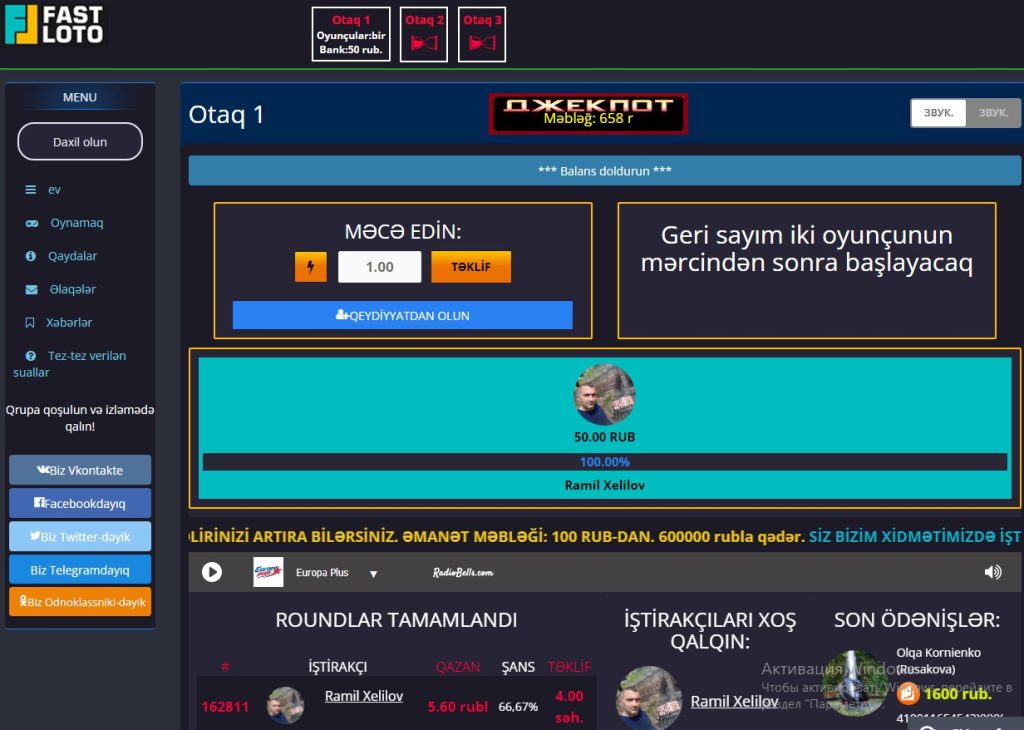
Fast Loto onlinesürətli lotereya xidmətidir. Fast lotto azerbaycan -da oyun bir neçə iştirakçının ümumi bir qazana mərc qoymasından ibarətdir. Oyun 2 və ya daha çox adam iştirak etdikdə başlayır. 2 nəfər görünən kimi 30 saniyəlik geri sayma başlayır. Bu müddətdən sonra qalib təsadüfi olaraq seçilir. Ən böyük mərc edən lotereya iştirakçısının udmaq şansı daha çox olur.
Oynamağa necə başlamaq olar
Əvvəlcə “Vkontakte”, “stim” kimi sosial şəbəkələrdən istifadə edərək avtorizasiyadan keçməlisiniz. Odnoklassniki və Facebook.
Sonra, hesab balansını doldurmalısınız. “Oynamaq” bölməsində siz oynayacağınız otağı seçməlisiniz. Fast-Loto online lotereyasında 3 otaq var, onlar bir-birindən minimum mərclə fərqlənirlər.
Qalib olduğu halda, qalib bütün vəsaiti bankdan alır. Amma qalibin mərcindən başqa bütün rəqiblərin mərclərindən 20% komissiya çıxılsın.
20% komissiya gedir: 8% referal proqramını saxlamaq üçün və 12% layihə komissiyası, yəni hostinq, domen, bonus ödəməyə gedir, əlbəttə ki, administrasiyanın cibinə və s.
Bonuslar
Qeydiyyatdan keçəndən sonra hədiyyə olaraq bonus verirlər.
Gündəlik bonus: Sosial şəbəkəyə abunə olsanız, verin. O zaman 24 saatda bir dəfə bonus almaq imkanınız var.
İstiqamət proqramı
- Səviyyə 1: İtirilmiş məbləğin 4%-i və uduş məbləğinin 1%-i
- Səviyyə 2: İtirilmiş məbləğin 2%-i və qazanılmış məbləğin 1%-i
- Səviyyə 3: İtirilmiş məbləğin 1%-i və qazanılan məbləğin 1%-i
Bank depoziti
Siz də BANK-a investisiya edərək gəlirinizi artıra bilərsiniz.
Biz sizə hər ay üçün 10%-dən 15%-ə qədər sayt dövriyyəsindən gəlir təklif edirik.
Necə oynamaq, nə mənası var?
1. Sayta daxil olun (vk.com, ok.ru, facebook.com, steam.com-da hesabınız olmalıdır)
2. Balansı doldurun (və ya bonus hesabından istifadə edin)
3. Bir otaq seçin – oyunda 3 otaq var:
❶ birinci otaq
❷ ikinci otaq
❸ üçüncü otaq
4. Seçilmiş otağa görə mərc qoyun və rəqibləri gözləyin
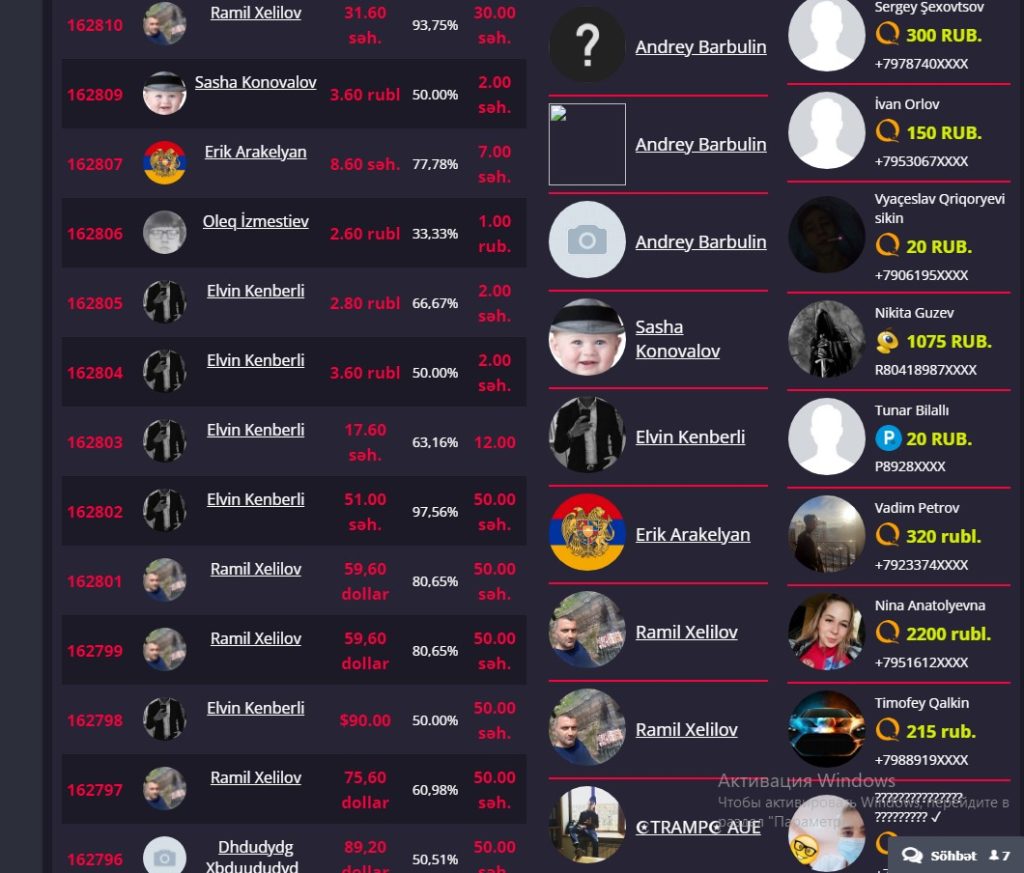
5. İki oyunçu mərc edən kimi geri sayım başlayır – bu 30 saniyəyə bərabərdir
(mərclər artırıla bilər və digər oyunçular da otağa qoşulub mərclərini yerləşdirə bilərlər)
6. Vaxtın sonunda – avtomatik olaraq (təsadüfi) bu otaqda qoyulmuş bütün mərcləri götürən qalib seçilir.
7. Nə qədər çox mərc etsəniz, qazanmaq şansınız bir o qədər çox olar
Nəticə odur ki, bir neçə nəfər ümumi banka investisiya qoyur, bir dəqiqədən sonra bu bank bir nəfərə keçir (qalib təsadüfi seçilir). Oyunçu qazana nə qədər çox sərmayə qoyubsa, qazanmaq şansı bir o qədər çox olur. Hər lotereya bir dəqiqə davam edir. Dəqiqənin geri sayımı iki oyunçunun mərcindən sonra başlayır.
Fastloto lotereya xidməti nə qədər sürətlidir?
Gəlin görək real pul lotereyaları necə sürətli işləyir. Axı, onlar adi lotereya biletlərindən əsaslı şəkildə fərqlənirlər və qaliblərin müəyyənləşdirilməsi üçün tamamilə fərqli mexanizmə malikdirlər.
Əvvəlcə sürətli lotereya xidmətində qeydiyyatdan keçirsiniz – fastloto, burada müxtəlif mərc məbləğləri olan bir neçə aktiv otaq var. Hər otağın öz taymeri də var (30-dan 60 saniyəyə qədər).
İki və ya daha çox iştirakçı mərc edən kimi taymer başlayır və geri sayım başlayır. Sonradan digər iddiaçılar mərclərini qoymaqla oyuna daxil ola bilərlər. Hər mərc üçün mərcin ölçüsü müstəqil olaraq müəyyən edilir (baxmayaraq ki, minimum limiti keçməməlidir). Buna uyğun olaraq, nə qədər çox risk etsəniz, qazanmaq şansınız bir o qədər yüksəkdir.
İcazə verin sizə illüstrativ bir nümunə verim. Təsəvvür edin ki, otağa girib 10 manata mərc etdiniz. Digər iştirakçı isə təxribatda iştirak edib və 30 manat pul verib. Belə çıxır ki, sizin udmaq şansınız 25%, rəqibinizin isə 75% qazanmaq şansı var. Narahat olmağa ehtiyac yoxdur, çünki şəxsi hesablamalara ehtiyac yoxdur, çünki oyun zamanı hər bir iştirakçı üçün əmsallar avtomatik olaraq göstəriləcək.
Taymerin bitməsinə və tirajın başlamasına qədər sizin mərcinizi artırmaq və rəqiblərinizin cəmini üstələmək və bununla da potensial qazancınızı artırmaq imkanınız var.
Fastloto-da uduzmağın qarşısını necə almaq olar?
Özünüz üçün uyğun bir otaq seçin və orada neçə oyunçunun olduğunu təhlil edin. Bir neçə raund keçin və onların nə qədər və nə qədər müddətə mərc etdiklərinə baxın.
Geri sayımın son saniyələrində daha böyük mərclər edə biləcəksiniz. Bu strateji üstünlüyü təmin edir ki, hər raundda qalib gəlmək şansınız rəqiblərinizinkindən xeyli üstündür. Təbii ki, qazanma ehtimalının artmasına baxmayaraq, bütün mükafatı almaq həmişə mümkün olmur, baxmayaraq ki, ehtimal qazancı əhəmiyyətli olaraq qalır.
Bundan əlavə, sxemə yeni iştirakçıları cəlb etməyə çalışın. Bu, onların iştirakından gəlir əldə etməyə və sonradan onu oyun məqsədləri üçün istifadə etməyə imkan verəcək.
Sonda əlavə etmək istərdim ki, pul qazanmaq üçün onlayn loto sabit gəlir mənbəyi kimi qəbul edilməməlidir. Həmişə ölçü bilin və imkanlarınızı hesablayın – bu, tez-tez qalib gəlməyinizə imkan verəcəkdir!
Tez-tez verilən suallar
Sürətli Fast loto saytının xüsusiyyətləri hansılardır?
Bizim adi lotereyalardan fərqimiz dürüstlük və mütləq şəffaflıqdır. Siz neçə nəfərin bilet aldığını, uduş fondunun nə qədər olduğunu, tirajın büdcəsinin nə qədər olduğunu görə bilərsiniz, risklərinizi və uğur şanslarınızı qiymətləndirə bilərsiniz.
Yaşım 18-dən aşağı olsa, oynaya bilərəm?
Yox! Xidmətimiz yalnız yetkinlik yaşına çatmış şəxslər üçün nəzərdə tutulub. 18 yaşdan kiçiksinizsə, saytımızı tərk edin.
Püşkatma üçün komissiya nə qədərdir?
İstinad sistemi üçün 8% komissiya və 12% sayt komissiyası. Cəmi 20%.
Mən yaxşı məbləğ qazandım və ödəniş etmək istəyirəm! Müraciətləri nə qədər müddətə emal edirsiniz?
Webmoney, qiwi və Yandex pul üçün müraciətlər 5 dəqiqədən 24 saata qədər vəsaitin çıxarılması ilə həyata keçirilir. Payeer pul kisəsi ödənişləri dərhal avtomatik olaraq emal edilir.
Dünən qiwi-də ödəniş sifariş etdim və bir dəqiqəyə pulu aldım. Bu gün başqa bir ödəniş sifariş etdim və artıq 3 dəqiqə keçdi, niyə pul yoxdur?
Müraciətlərə 5 DƏQİQƏDƏN 24 SAATƏ kimi baxıla bilər. Bu, ödəniş sifarişi səhifəsində yazılıb!
Çıxarma limiti nə qədərdir?
İstənilən vaxt və istənilən məbləğdə balansınızdan pul çıxara bilərsiniz. Heç bir məhdudiyyət yoxdur.
Birdən çox hesabla daxil ola bilərəmmi?
YOX! Bu, xidmət qaydalarının kobud şəkildə pozulmasıdır! Siz yalnız bir hesabla daxil ola bilərsiniz! Əks halda, bütün hesabları itirəcəksiniz!
Ödənişlərin və çıxarılmasının hansı formalarını təklif edirsiniz?
Şəxsi Hesabınızda ödəniş üsullarının siyahısını görmək üçün “Depozit hesabı” düyməsini sıxın. Uduşları geri götürməyin mümkün yollarının siyahısını görmək üçün Şəxsi Hesabınızda “Ödənişi sifariş et” düyməsini sıxın.
Mən sənin düsturunu həll edəcəm və həmişə qalib gələcəm!
Bizim heç bir düsturumuz, alqoritmimiz yoxdur. Çantadan bilet çıxarmağa bənzətməklə, hər şey mütləq şans üzərində işləyir. Və bilet çantasının formulasını açmaq və ya bir nümunə qurmaq mümkün deyil.
Dəri hədiyyələri olan saytlarda md5 müdafiəsi var, buna görə də ədalətlidirlər! Və sizdə md5 yoxdur, hər şey bükülmüşdür!
Bir daha təkrar edirik, hər tirajımız mütləq qəzadır. Digər saytlarda md5 haqqında gördükləriniz və ya fırlanmaların olmadığına dair bəzi vədlər tam BOSH-dur. Bizimlə siz istənilən qaliblə söhbət edə və əmin olun ki, bu bot deyil, sizin kimi adi istifadəçidir.
Filial proqramınız varmı? Hansı şərtlər?
Bəli, bizim 3 səviyyəli filial proqramımız var. Hesabınıza daxil olduqdan sonra, Mənim tövsiyələrim bölməsində istifadəçiləri cəlb etmək üçün sizə bir keçid mövcuddur. Siz ömür boyu dəvət etdiyiniz oyunçuların mərclərinin 1,5%-ni, 2-ci səviyyəli referallardan 1%-ni və 3-cü səviyyəli referallardan 0,5%-ni alacaqsınız.